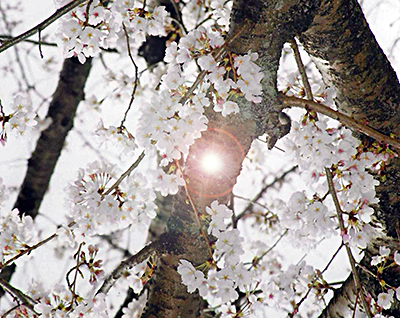
我与池田大作先生是笔友
Original 周晓芳北
2025年06月15日 08:58
文 / 周晓芳
Letters with Daisaku Ikeda
Original: Zhou Xiaofang North
June 15, 2025 08:58
English translation follows below.
2012年初,我结识了创价学会驻夏威夷分会主任奥利维耶·尔阪先生。当时,我与丈夫迈克尔正计划前往日本旅行。在尔阪先生的安排下,我们于5月参访了东京的创价学会总部、民乐博物馆与创价大学。池田大作先生年事已高,虽已不再公开会客,但这次经历却成为我们与他缘起的开端。谁料四个月后,一封亲笔书信穿越重洋,抵达我手中,为我注入莫大的鼓舞。
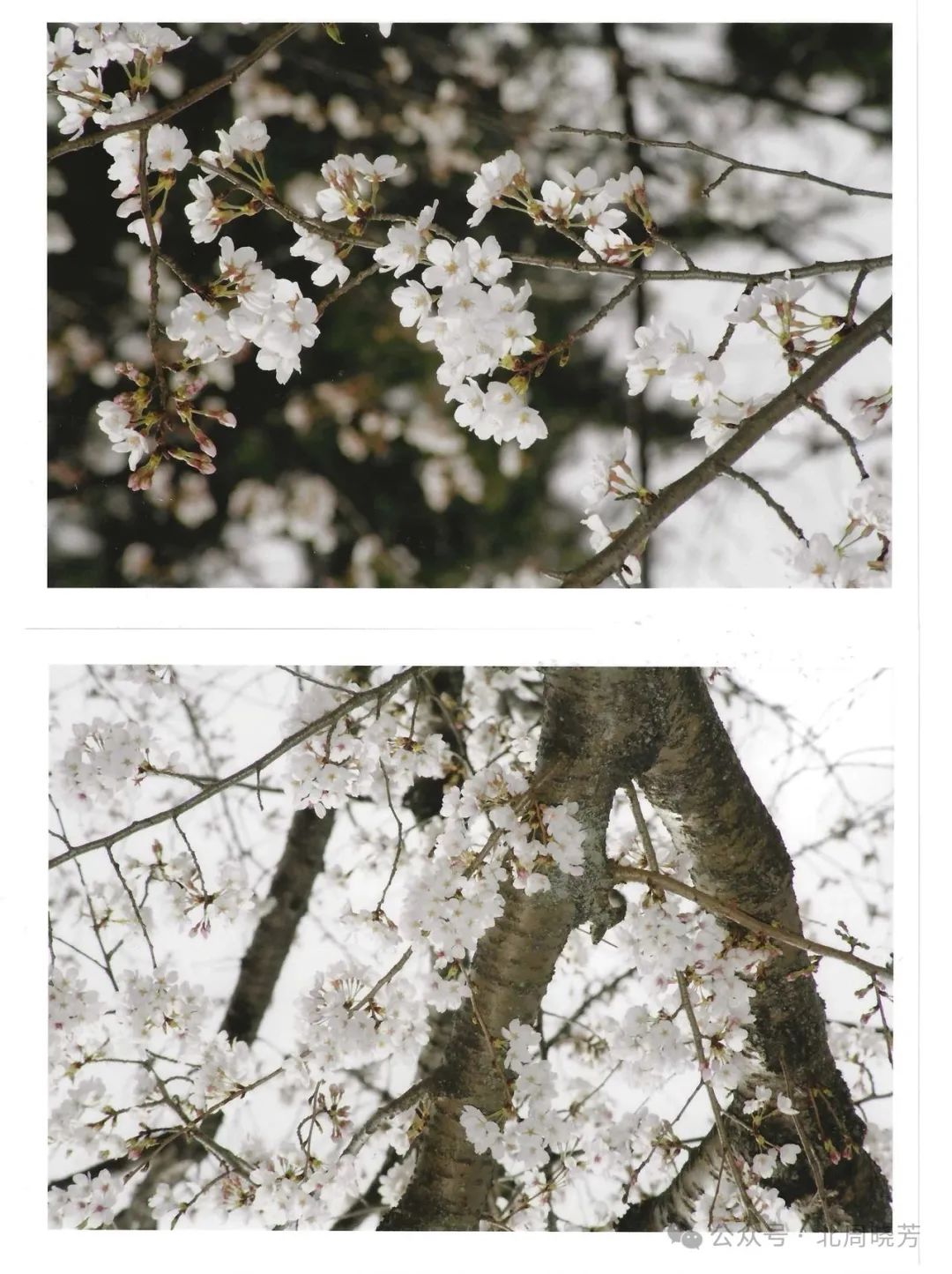
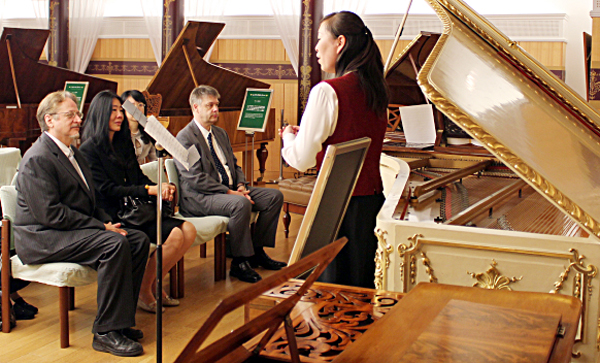
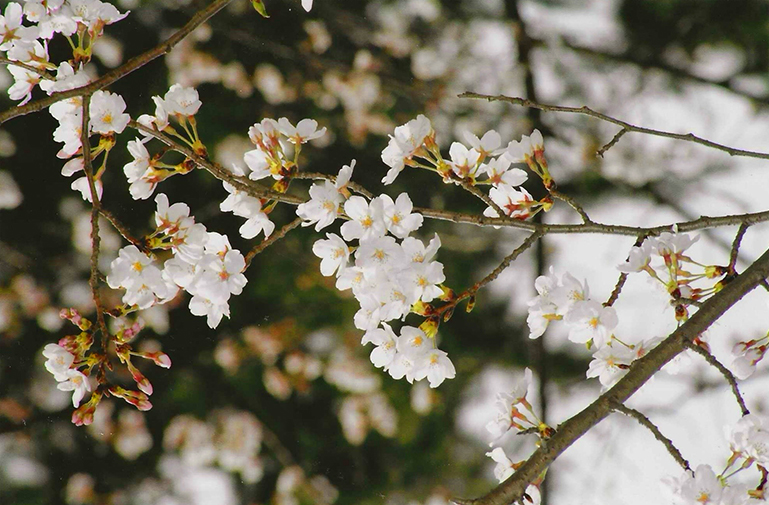
那次参访,记忆至今清晰如昨。步入创价总部接待厅,迎宾台上一束鲜花格外醒目,卡片上写着:“致周晓芳与迈克尔夫妇”,落款池田大作。工作人员邀请我们合影留念,那一刻,仿佛开启了一条通往心灵深处的通道。民乐馆内陈列着许多珍贵古乐器,一位年轻的日本女子为我们演奏《梅花赞》,琴音悠扬,意境深远。校园中林木掩映、湖光粼粼,喷水池水花如莲层层盛放。沿石径前行,一棵由池田先生亲自命名的“周樱”树静静伫立,石碑正对北京方向,枝干苍劲,春日花开似霞。随行人员用中文朗诵周恩来总理青年留学日本时所作《雨中岚山》,我心中泛起久久震荡。
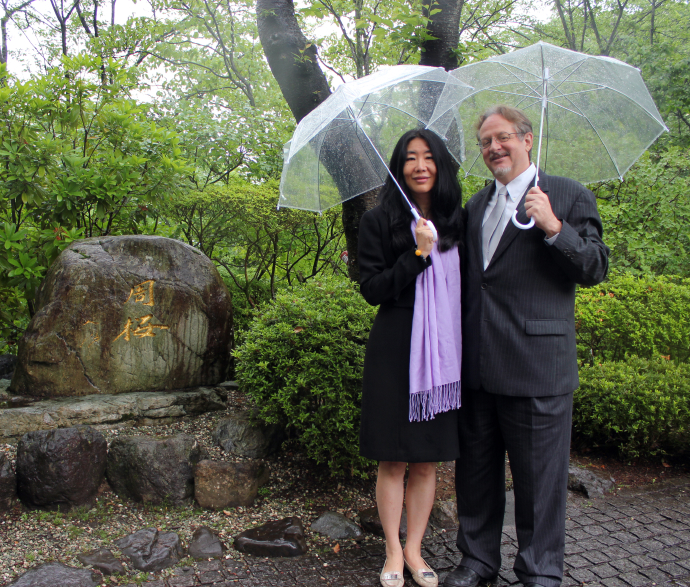
2012年5月拍摄于创价大学
1974年12月5日,身患重病的周恩来总理,在北京305医院会客室亲自接见池田大作。这场会谈持续三十余分钟,在总理极度虚弱之际,弥足珍贵。池田先生时年46岁,时任创价学会第三届会长,是一位年轻的思想家与和平倡导者。总理以生命之力促成此会,体现他对中日人民世代友好的深切关怀,亦寄托他对日本青年一代的殷切期望。
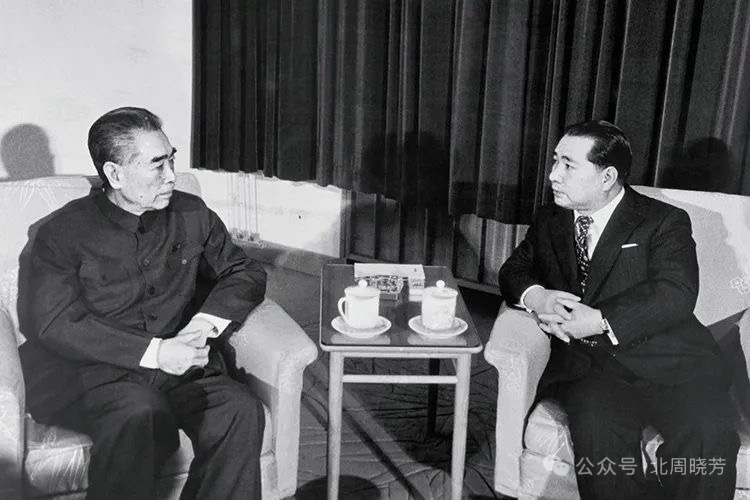
池田先生事后回忆,那是他“人生中最庄严的重要时刻”。回国后,他始终身体力行,致力于推动两国文化交流与青年互访,数十年如一日。他撰写纪念文章,设立和平奖项,倡导学术对话,持续传递那次冬日会晤中所蕴含的和平理念。这场病榻之上的会见,仿佛一颗光的种子,在历史与未来之间悄然播下,也成为我致信池田先生的缘起。
2012年9月24日,研究院即将迎来成立一周年之际,我写信给池田先生,诚请赐予箴言鼓励。信件由尔阪先生转交。不到一月,10月15日,我收到池田先生亲笔回信。他写道:“很巧的是,您的信于10月2日送达我手中。56年前的今天,正是我首次从日本抵达夏威夷。”以如此温柔的笔触,他为我们搭起一座跨越时空的心灵之桥。
信中,他由衷祝贺周恩来和平研究院的创立。他写道:“请接受我诚挚的祝贺——为周恩来和平研究院的成立。您与迈克尔先生的努力,是和平道路上的光芒。和平之路纵然泥泞,但有信念之光,便不会孤独。”他又写道:“正是挑战造就真正的和平。”这句话,我铭记至今。
当时的我,还未真正理解“泥泞”的全部含义。十多年间,我奔波于各地,推动研究、策划讲座、记录访谈、组织文化交流,每一步都见证了他所说的真理——和平之路,并非坦途,却值得一生奉行。
我们曾以书信互赠礼物。池田先生寄来他所著书籍、摄影集与烫金礼盒,每一件都承载着他对文化、和平与美的敬意,我至今珍藏。作为回应,我亲手为他编制了一串玉石佛珠,附上我的祝愿。他在回信中深表感谢,那份温暖至今犹在心头。
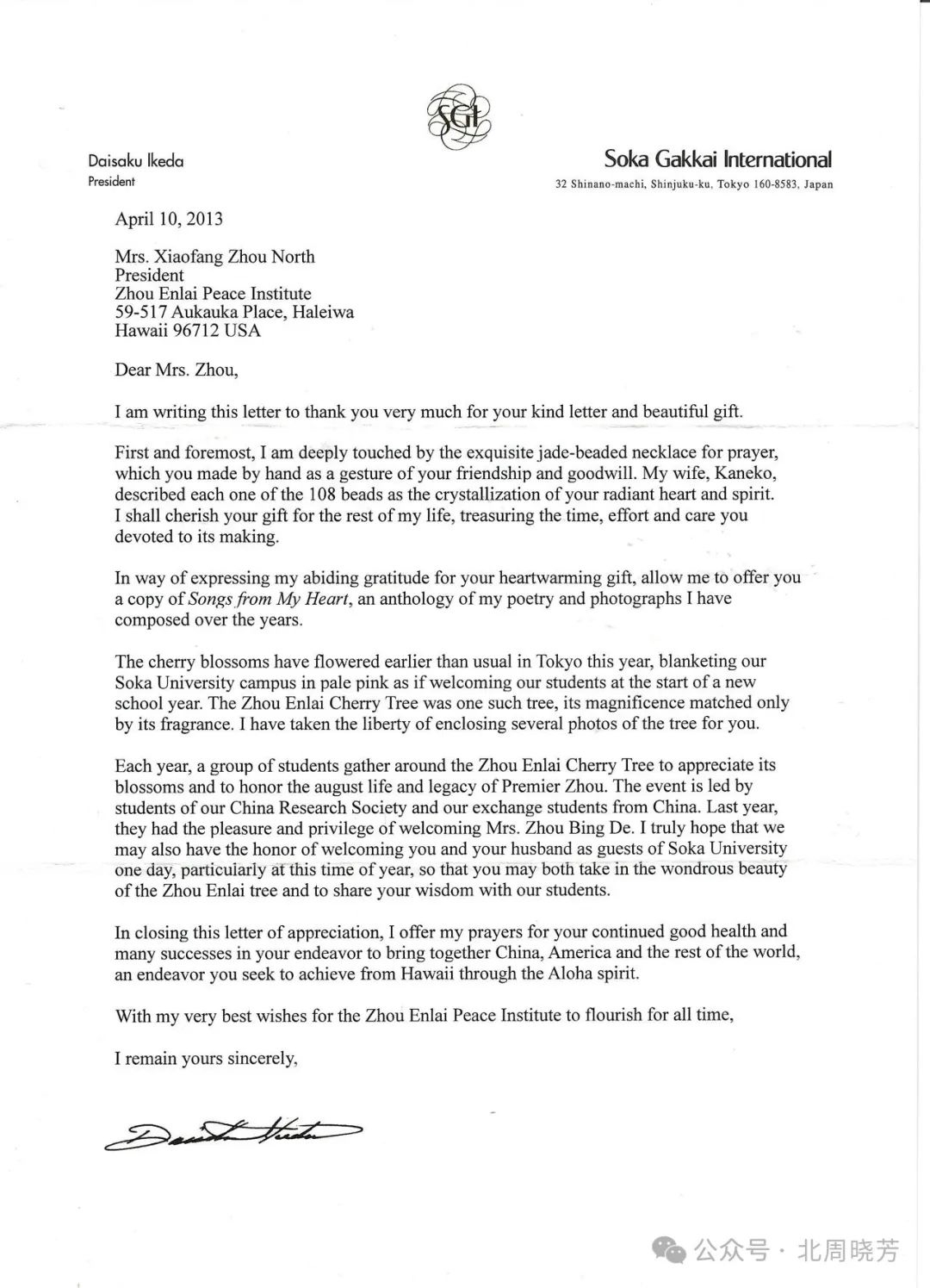
因研究与初创工作之需,我常年往返世界各地,追寻总理足迹,也因此暂停了与池田先生的书信往来。然而每当重读他的回信,那字里行间依然温热如初。这份温度,来自一位老人手心的余温,更来自一位和平信仰者灵魂的光芒。他的信,像是提前写给未来的回音。
2023年11月,在我们研究院成立满十二周年之际,传来池田大作先生辞世的消息,享年95岁。我静坐夏威夷窗前,目送落日西沉,霞光轻洒,仿佛天际有一束光在回应这场无声的告别。他走完了信仰者的旅程,将一生化为和平之种。他的身影已融入那棵“周樱”的年轮之中,春来年年,花开不息。
 在这纷扰的尘世间,文字虽轻,却能传递分量;笔锋虽细,却能开辟天地。
和平之路不走捷径,也无坦途。但我们已学会以温柔与坚定,在泥泞中播种,在光明中盛开。
In early 2012, I met Mr. Olivier Urbain, the Director of the Soka Gakkai International (SGI) branch in Hawai’i. At the time, my husband Michael and I were planning a journey to Japan.
Thanks to Mr. Urbain’s kind arrangement, we visited the SGI Headquarters in Tokyo, the Min-On Music Museum, and Soka University in May of that year.
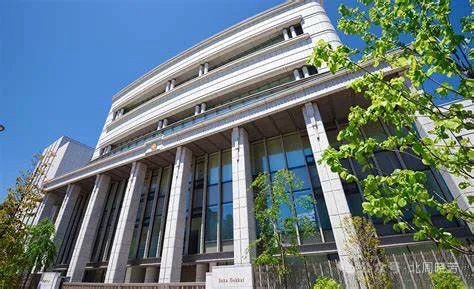
Soka Gakkai, Tokyo
Although Mr. Daisaku Ikeda, then already advanced in age, was no longer receiving guests, this visit was the beginning of a profound connection with him. Just four months later, a personal letter from arrived from across the sea, bringing with it deep inspiration and warmth.
That visit left an indelible impression. As we entered the reception hall of SGI Headquarters, a large bouquet of fresh flowers awaited us. A card read: “To Ms. Xiaofang Zhou and Mr. Michael – Daisaku Ikeda.” The staff invited us to take a photo, capturing that unforgettable moment.
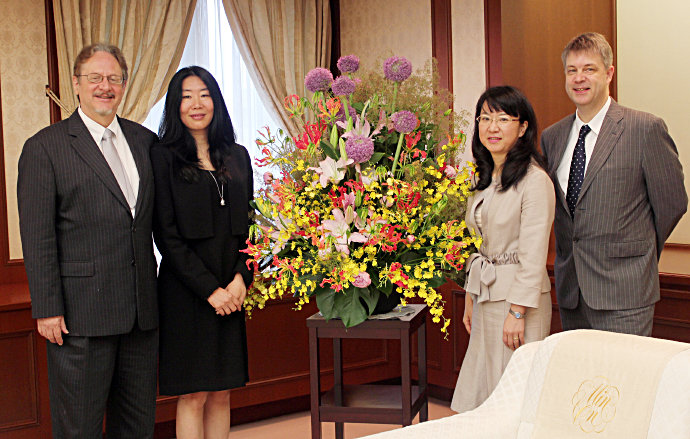
From left: Michael North, Xiao Fang Zhou North, Mr. and Mrs. Yoko Urbain and Olivier Urbain, photographed in the reception hall of the Soka Gakkai headquarters in Tokyo, May 2025.
At the Min-On Museum, surrounded by rare musical instruments, a young Japanese woman played “Plum Blossom Ode” on an antique piano. The melody lingered in the air, serene and stirring.
Soka University, outside Tokyo, was our next stop — quiet and beautiful, with its wooded paths and shimmering lake. From the central fountain, sprays of water rose like layered lotus blossoms.
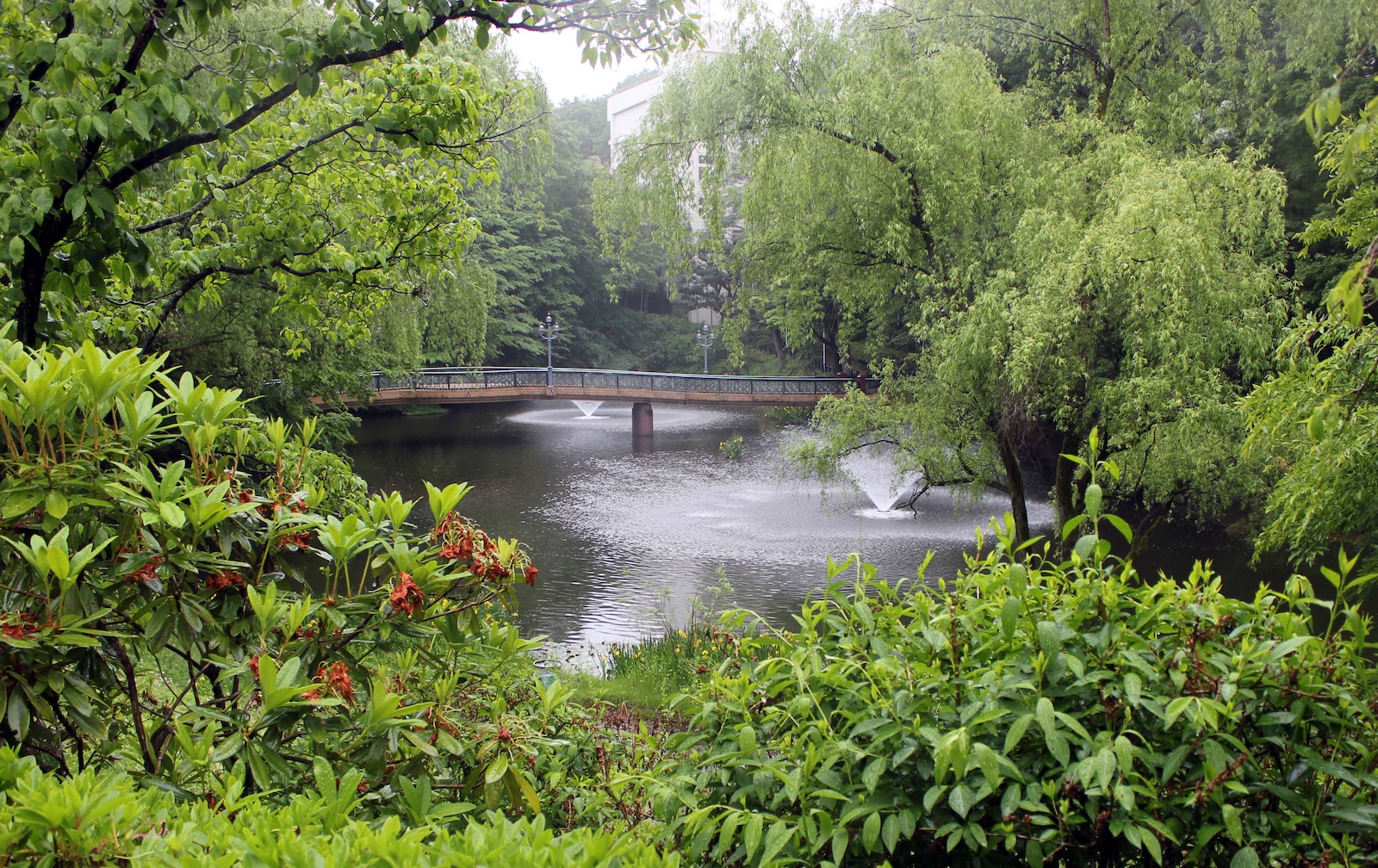
At the end of a stone path stood a tree—“Zhou’s Cherry Blossom”—named by Mr. Ikeda himself. A stone plaque beneath the tree bore its name, facing in the direction of Beijing.
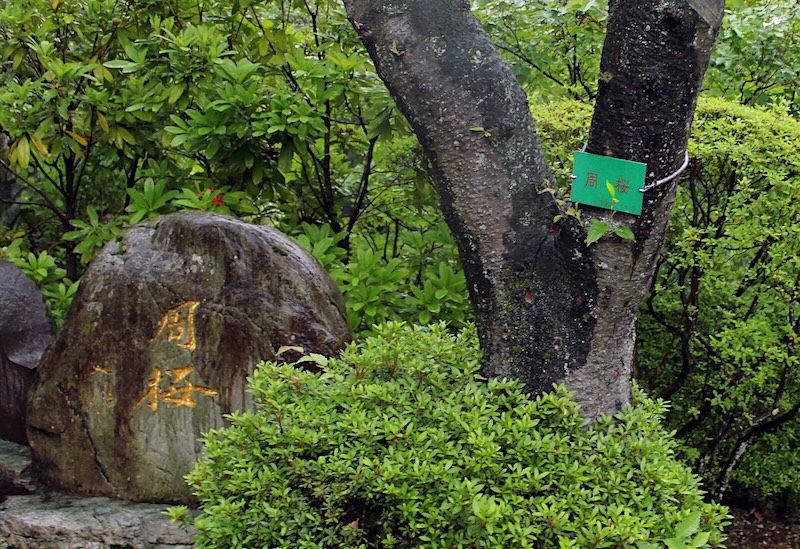
Taken at Soka University in May 2012
The tree stood tall, and in spring, its blossoms glowed like clouds at sunrise. Nearby, a staff member read aloud, in Chinese, a poem written by Premier Zhou Enlai during his student days in Japan, titled “Mount Arashiyama in the Rain.”
As I listened, my heart trembled with emotion.
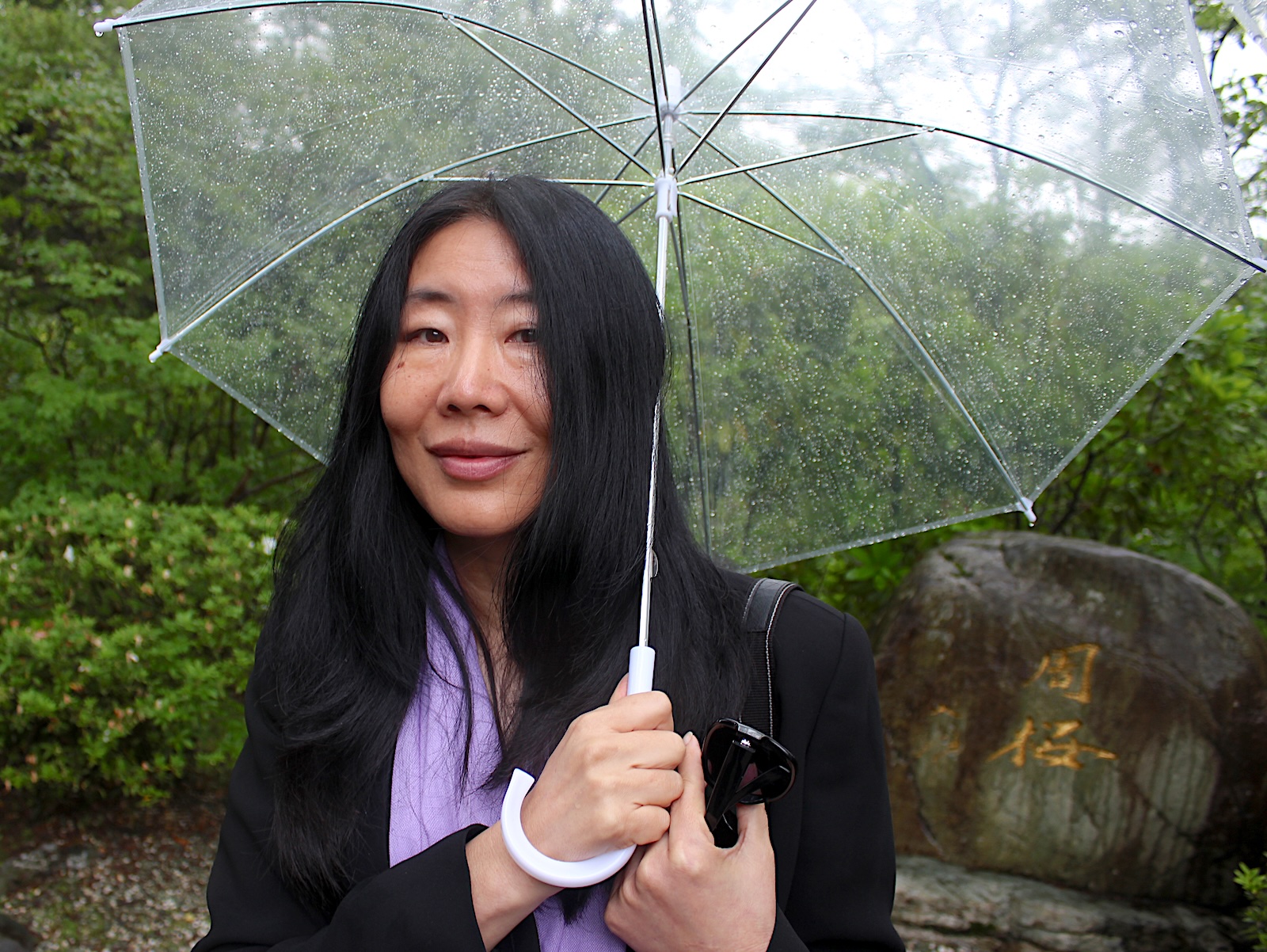
The story between the Ikeda family and the Zhou family began long before.
On December 5, 1974, Premier Zhou Enlai, gravely ill, met personally with Mr. Ikeda at Beijing’s 305 Hospital. The meeting lasted over thirty minutes—extraordinary, considering the Premier’s frail condition at the time.
Mr. Ikeda, then only 46, was the third President of Soka Gakkai—a young thinker and advocate for peace. He was received by the Premier during such a critical moment, and that speaks volumes about Zhou Enlai’s deep commitment to his hope for healing from the tragedies of the past, to the friendship between China and Japan, and his sincere hope for the younger generation of Japan.
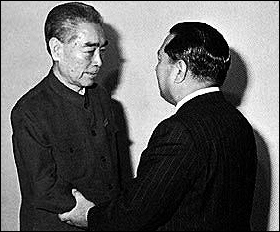
Mr. Ikeda later recalled the meeting as “the most solemn and important moment of my life.” After returning to Japan, he dedicated himself wholeheartedly to promoting cultural exchange and peaceful dialogue between the two countries.
For decades, he wrote essays in commemoration of their meeting, established peace awards, and facilitated academic exchanges. He nurtured the seeds of peace planted during that winter encounter and let them bloom over time. That meeting, brief but luminous, was like a seed of light sown in the silence of history — and it was also the inspiration behind my first letter to him.
On September 24, 2012—just two months before the first anniversary of the Zhou Enlai Peace Institute—I wrote to Dr. Ikeda, seeking his thoughts and encouragement. The letter was delivered through Mr. Urbain. Less than a month later, on October 15, I received a reply.
Dr. Ikeda wrote: “Your letter was handed to me on October 2. Coincidentally, it was on that same day—56 years before—that I arrived in Hawai’i for the very first time.” With grace and subtlety, he extended a bridge of the spirit to us, across time and space.
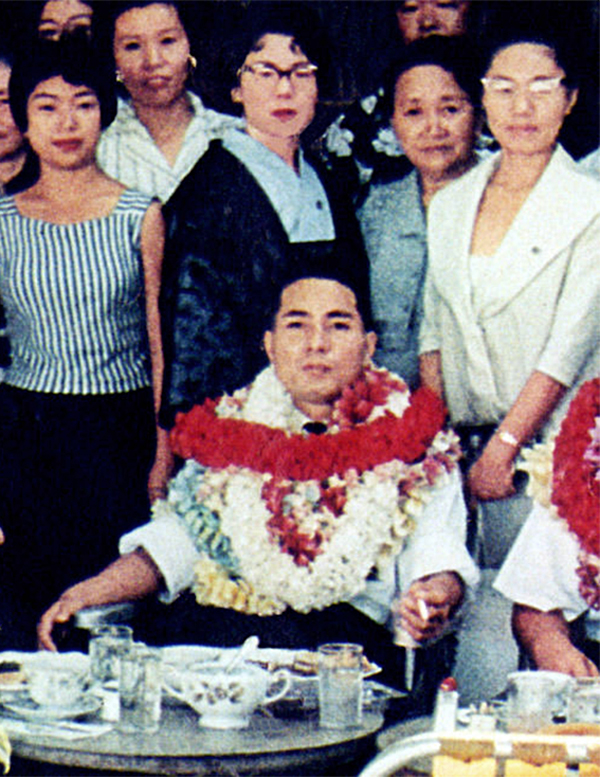
Dr. Daisaku Ikeda in Honolulu, 1960
In his letter, Mr. Ikeda sincerely congratulated us for the founding of the Zhou Enlai Peace Institute. He wrote: “Please accept my heartfelt congratulations on the establishment of your institute. Your efforts with Mr. Michael shine brightly on the path of peace.
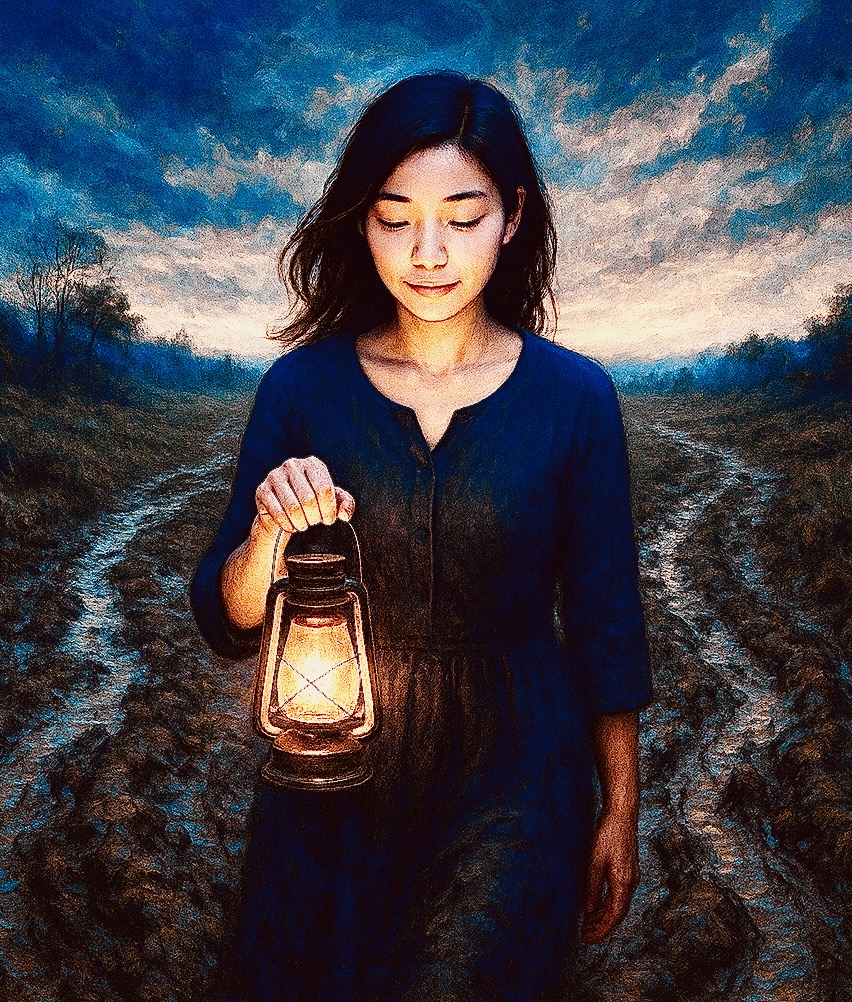
“That path may be muddy and difficult, but the light of belief ensures you will never walk it alone.”
He also wrote: “It is hardship that tempers the resolve to pursue true peace.” I have remembered these words ever since.

At the time, I had not yet grasped the full meaning of “muddy.” But over the next ten years, we traveled a difficult and sometimes lonely road—organizing events, conducting research, recording oral histories, and promoting East-West dialogue. With each challenge, Mr. Ikeda’s words proved true: peace is not easy, but its value is beyond measure.
We exchanged small gifts through our letters. Mr. Ikeda sent me several of his books, collections of his photography, and a gold-embossed gift box—all of which I have carefully preserved. In return, I handmade a string of jade prayer beads for him, along with a blessing. He responded with a warm note of gratitude, and I still feel the sincerity behind his words.
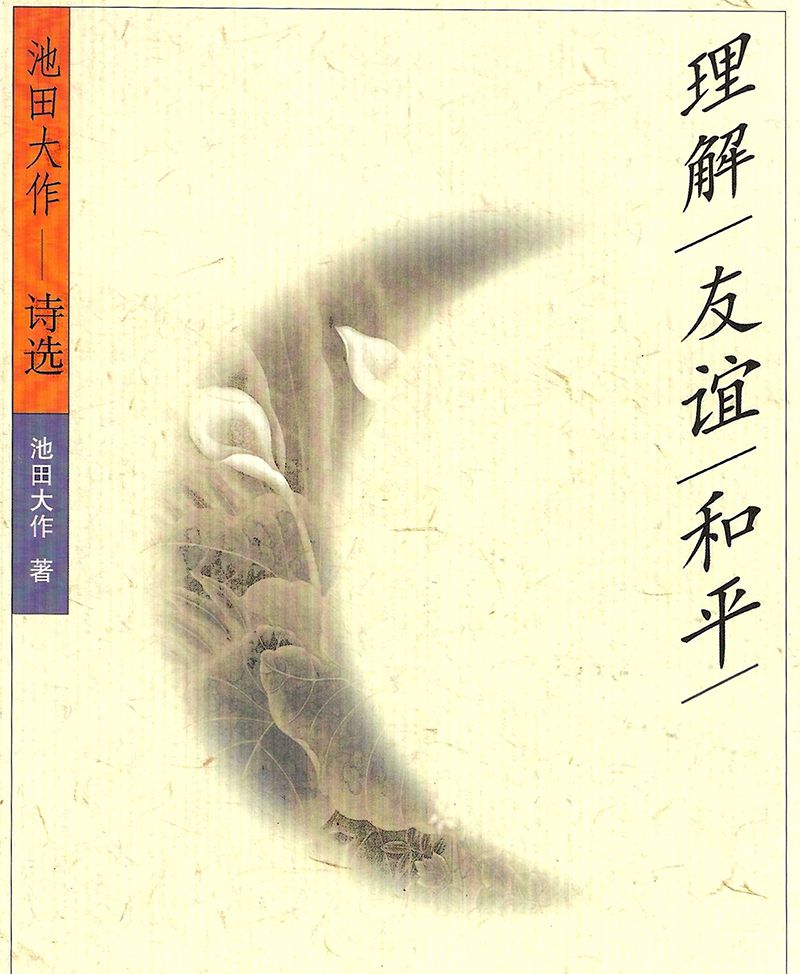
“Understanding, Friendship, Peace” — Dr. Daisaku Ikeda “理解、友谊、和平” –池田大作 著
As the early years of the Institute demanded constant travel and work, I was unable to continue our correspondence. Yet, each time I open his letters again, I still feel their warmth. That warmth came not only from an elder’s hand, but from the soul of a believer in peace. Line by line, he had already written what we would one day come to understand.
In November 2023, just as our Institute marked its twelfth year, news came that Mr. Ikeda had passed away at the age of 95.
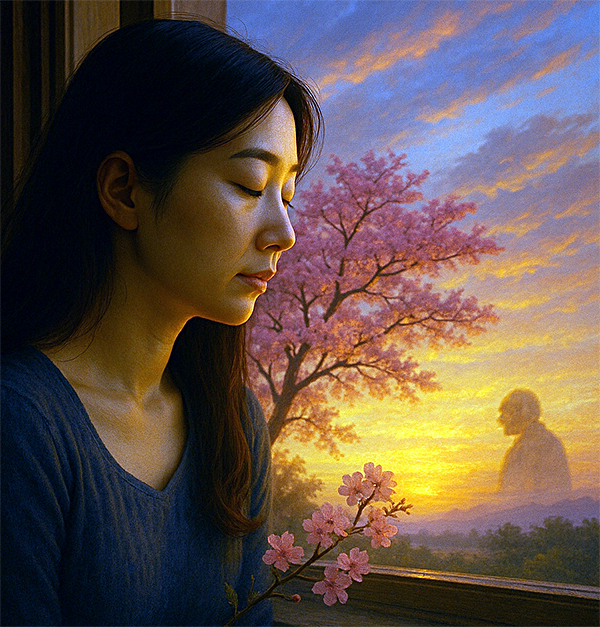
I sat quietly by my window in Hawai’i, watching the sunset. The light in the clouds seemed to echo a silent farewell. He had completed his journey of faith, devoting his life entirely to the field of peace. His presence now lives on in the rings of that cherry tree—the “Zhou Sakura”—whose blossoms return year after year, never failing.
In a world filled with noise and conflict, words may seem light, yet they can carry great weight. A pen may be small, but it can open the widest of paths.
There are no shortcuts on the road to peace. But we have learned to plant seeds in the mud—with gentleness, with determination—and nurture them as they bloom into light.
English version edited, with additional photos, by Michael North.
