Silent Devotion, Wholehearted Giving
Original writing of Zhou Xiaofang
9:49 am, November 27, 2025
As autumn fades and winter arrives, grass returns to the earth and all things quieten into stillness.
At this time of year, people across the world light incense, set tables, and gather by firelight, dedicating one day to honor the gratitude of a lifetime. Thanksgiving began on the American continent four centuries ago—a ritual born of hunger and hope, when early settlers, aided by Indigenous people, survived a bitter winter and gave thanks through a harvest meal.

They bowed to the earth and thanked the heavens; they clasped hands in gratitude for their shared struggle. Over time, Thanksgiving became a day of family reunion in the United States—heartfelt remembrance and gratitude, beyond today’s excess.
America learned that when the heart is full, even the smallest gesture carries deep meaning.
In China, this spirit has echoed through history:
“A single drop of water is fulfilled with a rushing spring,”
This reflects a culture rooted in reverence and return. In Confucian filial piety, Tao harmony, and Buddhist compassion, gratitude stands as the beginning of virtue — the foundation of one’s destiny.
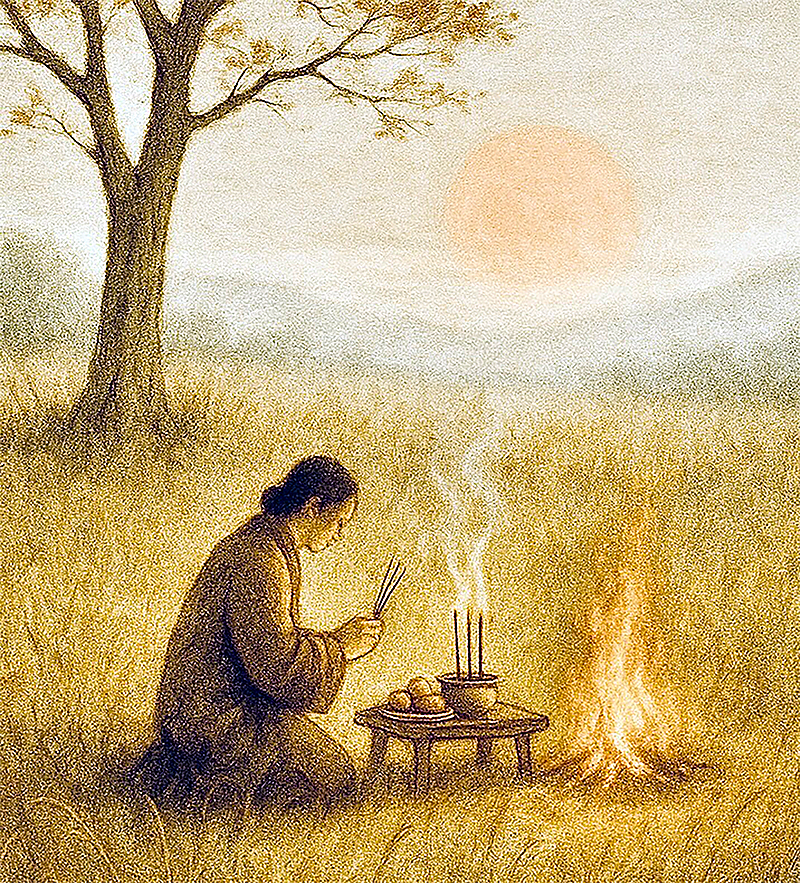
In ancient times, families taught their children gratitude before all else. Rulers sought to cultivate courtesy among the people. To be grateful is to discover one’s source rather than dwell on gain or loss; to honor heaven rather than chasing worldly wealth.
Gratitude flows through the veins of generations of Chinese people—a spiritual practice carved in bone, wisdom refined by time, transforming hardship into blessing.
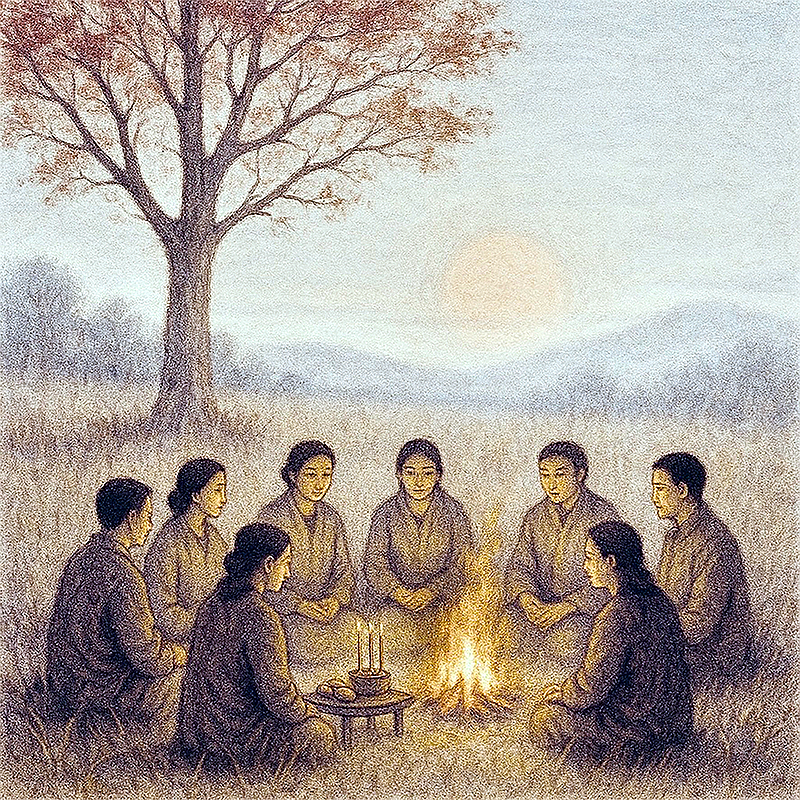
American Thanksgiving honors those who help us; Chinese gratitude begins with a willingness to help others. Gratitude is turning grace into action, and action into the Tao.
And Zhou Enlai — he was the most profound bearer of gratitude of our time.
His gratitude embraced the world.
His gratitude was love for those in suffering, expressing hope for a peaceful world.
He asked for nothing in his own life— just that future generations be spared the horrors of war and the sorrow of exile.
The Premier’s gratitude was devotion—an echo of the cries of countless lives.
On the world stage, he stood with quiet strength and firm resolve, earning respect for a great Eastern nation and cultivating trust across the global South and North.
From the simple phrase: “Seek common ground while reserving differences” first uttered at the Bandung Conference in Indonesia, to the unity of non-aligned countries, he vowed to the world that China would not export war, nor dominate others, but would serve as a builder of peace, a partner in development, and a fellow traveler toward the future.
Amid the storms of the Cold War, he practiced diplomacy by resolving crises, building bridges, and cultivating trust.
From the thaw in U.S.-China relations to the normalization of ties with Japan, from Afro-Asian connectivity to global cooperation — he paved the road to peace with his own blood and soul.
His devotion built the framework for New China’s foreign relations, and shaped a uniquely Chinese ideal of national character—calm, courteous, trustworthy, and principled.
In his eyes, there was no division by race; in his heart, no hierarchy of worth.

His gratitude to the world came from understanding the shared fate of humanity,
and a desire to safeguard the light of peace with China’s strength.
Such a world-embracing spirit transcends time and borders, becoming a model for generations to come: cultivation of the self, harmony of the home, governance of the nation, and peace under Heaven.
Today, we stand at the threshold of a new era—amid shifting winds and flickering light— poverty and war persist, misunderstanding and indifference remain.
Now more than ever, we must rekindle a heart of gratitude— with more than festive ritual, but in deep awareness of life itself.
Gratitude is respect.
Gratitude is active return.
Gratitude is a lifelong practice.
It is a state of being.
It humbles the proud and calms the restless.
It teaches us, in the churn of life, to hold fast to our beginnings and walk with gentleness.
It reminds us to cherish family, to treat others with kindness, to revere nature, and to protect peace.
Gratitude is the language of peace.
It is the homecoming of humanity.
感恩之道:情深不言,奉献为心
来芳讲道 · 特别篇
秋尽冬临,草木归根,天地宁静如初。世人于此时节,焚香设席,围炉而聚,以一日之名,谢一世之恩。感恩节,本为一场收获之后的祈福与答谢,源自四百年前的美洲大陆,是早期移民在饥寒交迫之中获印第安人相助、得以存活而立下的传统节日。
他们面朝黄土,感念苍天;他们彼此握手,感念同舟。后来,感恩节成为美国家庭团聚的节日,不因丰盈而奢华,不为仪式而空洞,而是由衷的回望与感念,心中有恩,举箸有情。
而在中国,这样的精神,亦自古绵延。所谓“滴水之恩,当涌泉相报”,“谁言寸草心,报得三春晖”,无论儒家之孝道、道家之天理、佛家之慈悲,皆以感恩为行德之始,立命之本。
古人立家,首教子以感恩;治国,先修民之知礼。感恩者,不计得失,而思源;不慕荣利,而敬天。感恩,是一代代中国人骨血里流动的修为,是百代礼义中沉淀的文明,是把苦难转为福祉的精神能力。
如果说,感恩节是对“人助我”的回礼,那么,中国的感恩,更是一种“我助人”的自觉。知恩不止于还恩,更在于 将恩转为行,将行化为道。
他,是我们时代最深刻的感恩者。
他的感恩,是怀抱四海。
他的感恩,是对苦难人民的深情,是对和平世界的希冀。
他一生无所求,只求后人无战火之苦、无流离之难。
总理的感恩,是奉献;是回应亿万生命的呼声。
在世界舞台上,他以谦逊之姿,坚韧之志,
赢得东方大国的尊重,也赢得南北世界的信任。
从万隆会议的一句“求同存异”,
到不结盟国家之间的团结互助,
他让世界看见:中国既不输出战争,也不奴役他人,
而是愿做和平的建设者,发展的伙伴,未来的同行者。
艺术家笔下的周恩来总理,
正在万隆会议上发言
求同存异
在冷战对峙的风云中,
他以坚定而温和的外交风度,
一次次化解危机、架起桥梁、建立互信。
中美破冰、中日邦交恢复、亚洲非洲的互联互通,
无一不是他用心血铺就的和平之路。
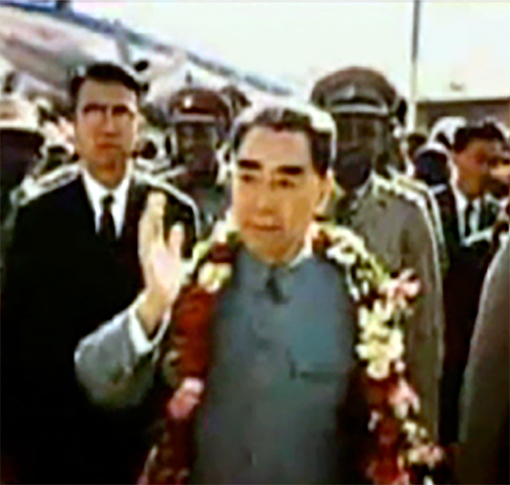
Premier Zhou Enlai arrives at the Bandung Conference in Indonesia, 1955. 周恩来总理抵达印度尼西亚万隆会议现场,1955年。
他的奉献,
不仅在于建设了新中国的对外交往框架,
更在于建立了一种中国式的大国人格:
沉稳、有礼、有信、有义。他的眼中,不分肤色;他的心中,无远近贵贱;
他对世界的感恩,是深知人类命运休戚相关,
愿以中国之力,护世界和平之光。
这份心怀天下的精神,超越了时代与国界,
成为一代又一代人修身、齐家、治国、平天下的榜样。
今天,我们站在新时代的门槛,风起云涌,光影交错。世界依旧有贫困与战乱,人与人之间依旧有误解与冷漠。更需要我们,重新点燃一颗“感恩之心”——不止于节日之庆,更重于生命之觉。
感恩,是心存敬重;
感恩,是主动回馈;
感恩,是一生践行。
感恩,是一种境界。
它让我们不因拥有而骄傲,不因缺失而抱怨;
它教会我们,在万象浮沉中,始终记得初心,温柔以待。
它让我们懂得珍惜家人、善待他人、敬重自然、守护和平。
感恩,是和平的语言,是人类的归处
A vision of the future: an artist’s impression like this, created by artificial intelligence, will be able to take us to any place, and time, to visualize the words and actions of great leaders like Premier Zhou Enlai, speaking at the Bandung Conference.
未来愿景:由人工智能创作的艺术家想象图,将能带我们穿越时空,重现周恩来总理在万隆会议上的风采——那些慷慨激昂的演说与英姿飒爽的姿态,都将跃然眼前。