Original, Zhou Xiaofang
March 4, 2026 06:01
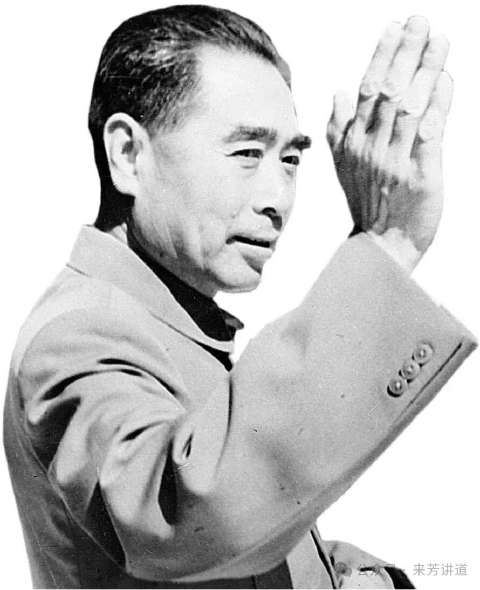
Zhou Enlai: The Kind of Leadership the World Still Needs
On the 128th Anniversary of His Birth

In 1898, China stood at a turning point in history.
An old imperial order was fading, new ideas were spreading across the world. A nation with an ancient civilization was searching for a path toward renewal.
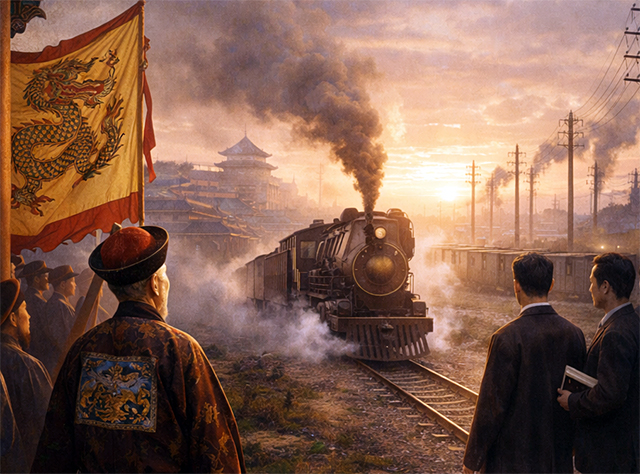
In this moment of profound transition, Zhou Enlai was born in Huai’an, Jiangsu Province.
No one at the time could have imagined that the child born into an ordinary family would one day become one of the most influential statesmen of modern China, a symbol of rare political character.
March 5, 2026, marks the 128th anniversary of Zhou Enlai’s birth.
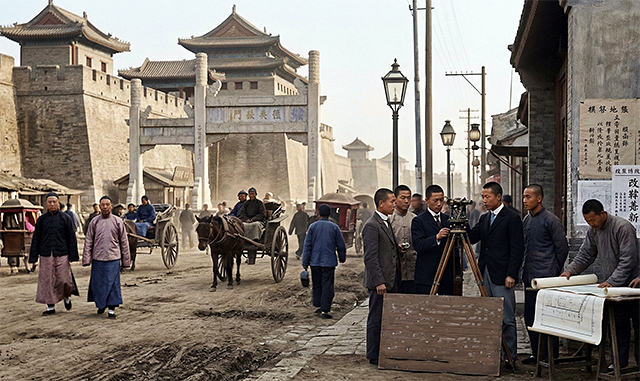
More than a century later, when people speak his name, they remember a historic leader, and more: a remarkable example of character and leadership.
A Character Shaped by Responsibility
As a young man, Zhou Enlai studied both in China and abroad, encountering new intellectual and political ideas that were reshaping the modern world.
Like many thoughtful young people of his generation, he grappled with a central question:
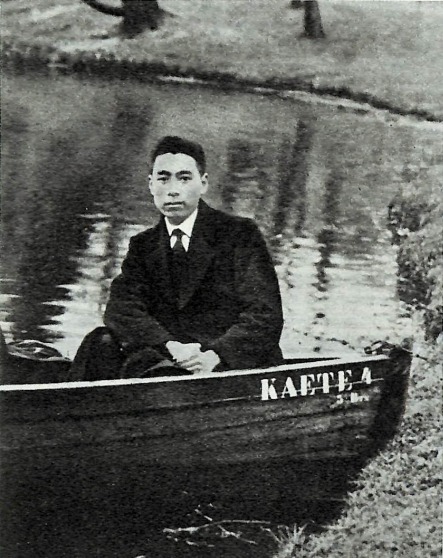
“How could an ancient nation regain dignity and stability in a rapidly changing world?”
That question guided the course of his life.
From an early age, Zhou chose to bind his personal destiny to that of his country.
It was a choice that demanded responsibility, discipline, and lifelong commitment.

During the turbulent decades of the twentieth century, China experienced war, social upheaval, and the immense task of national reconstruction. Zhou Enlai emerged during this period as one of the key leaders of the Chinese Communist Party and, after the founding of the People’s Republic of China in 1949, served as Premier of the new nation.
For more than twenty-six years he carried the immense responsibility of guiding state governance and foreign affairs.

Yet what made Zhou Enlai exceptional was deeper than the office he held. It was the strength of his character.
A Calm and Steady Form of Leadership
In times of great uncertainty, Zhou Enlai displayed a distinctive style of leadership.
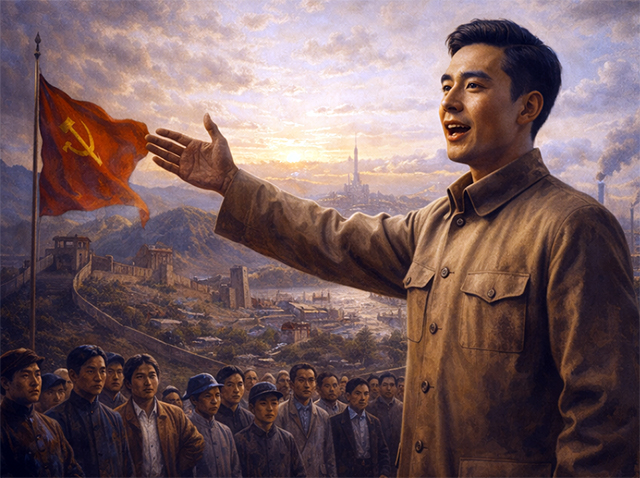
Amid turbulent storms, he remained composed.
Amid complex situations, he responded with patience and clarity.
On the world stage, he carried himself with reason and dignity.
In moments of decision, he showed balance.
In moments of tension, he revealed restraint.
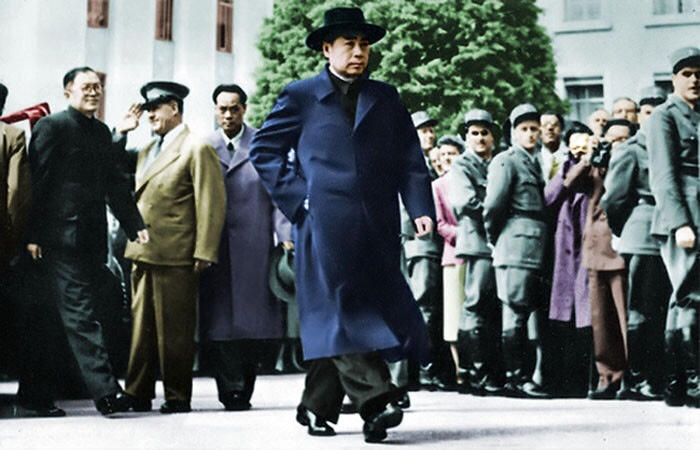
This calm and thoughtful approach earned him respect not only within China, but also internationally. Many political figures who disagreed with China’s policies nevertheless spoke with admiration of Zhou Enlai’s intelligence, patience, and diplomatic grace.
True leadership does not depend on forceful expression alone.
True leadership grows from clear judgment, responsibility, and the ability to guide events with steadiness.
In this sense, Zhou Enlai remains a model of leadership.
A Statesman for Peaceful Coexistence
On the international stage, Zhou Enlai helped redefine China’s relationship with the world.
Through pragmatic diplomacy and openness to dialogue, he worked to establish connections between China and many nations. At the Bandung Conference in 1955, he articulated principles of peaceful coexistence that helped shape cooperation among newly emerging nations in Asia and Africa.
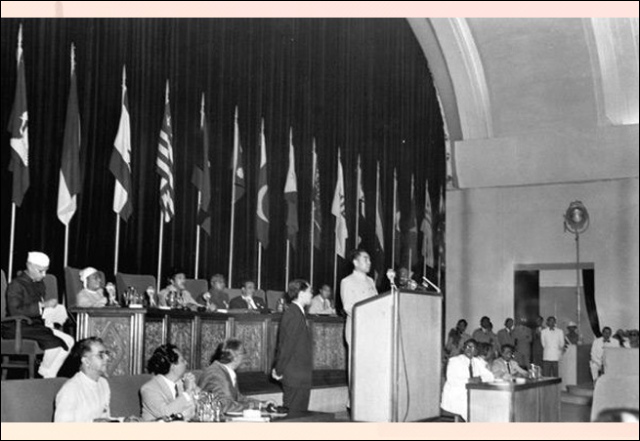
During the tense decades of the Cold War, Zhou consistently advocated dialogue, understanding, and mutual respect among nations.
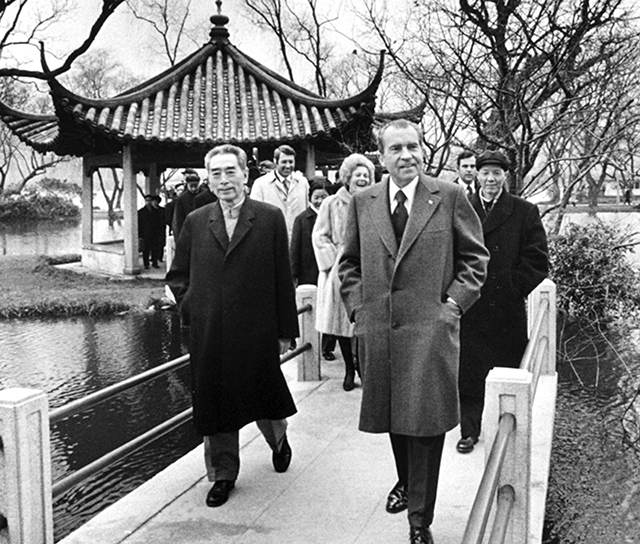
His diplomatic efforts demonstrated that cooperation between countries with different political systems is possible, and that peaceful coexistence can serve as a foundation for international stability.
The People’s Premier
Yet perhaps the most powerful testimony to Zhou Enlai’s life came not from diplomatic achievements, but from the people themselves.
Throughout his career he was known for tireless dedication, personal discipline, and a simple lifestyle. He demanded strict standards of himself and consistently placed the interests of the nation and its people above personal considerations.
Because of this lifelong commitment, he earned the deep trust of the Chinese people.
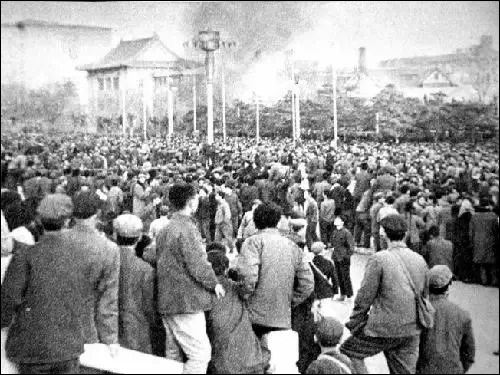
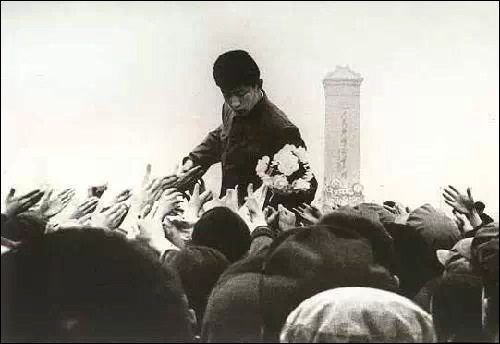
When Zhou Enlai passed away in January 1976, millions of citizens across China mourned spontaneously. In cities and villages alike, people wore black armbands and gathered in silent tribute.
In Chinese tradition, black mourning bands are typically worn only for close family members. Yet on that occasion, countless ordinary citizens chose to wear them.
There was no order, no organized directive.
It was simply the expression of a nation’s respect.
A Legacy That Transcends Time
Half a century has passed since his death.
The world continues to change, and humanity still faces uncertainty, division, and new challenges.
When people today reflect on Zhou Enlai’s life, they see a historic figure, and a symbol of leadership grounded in character.
Integrity in moments of complexity.
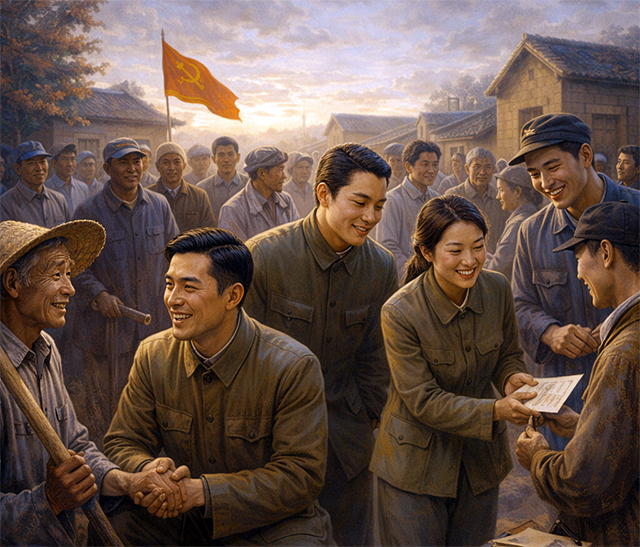
Restraint in the presence of power.
Responsibility in the face of history.
Respect for the people above all else.
These qualities make Zhou Enlai not only a figure of Chinese history, but also part of the broader heritage of global political civilization.
His life reminds us that the true measure of leadership lies not merely in authority or influence, but in character, responsibility, and service.
The Kind of Leadership the World Still Needs
One hundred and twenty-eight years have passed since his birth. History moves forward, yet some examples remain enduring.
Zhou Enlai’s life continues to remind future generations that true leadership of excellence arises from the power of character.
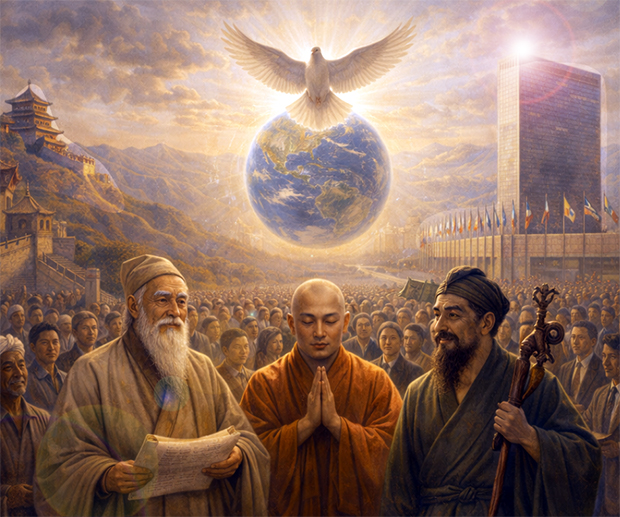
True political wisdom leads to the path of peace.
True historical greatness shines upon all humanity.
The world today still needs such leadership.
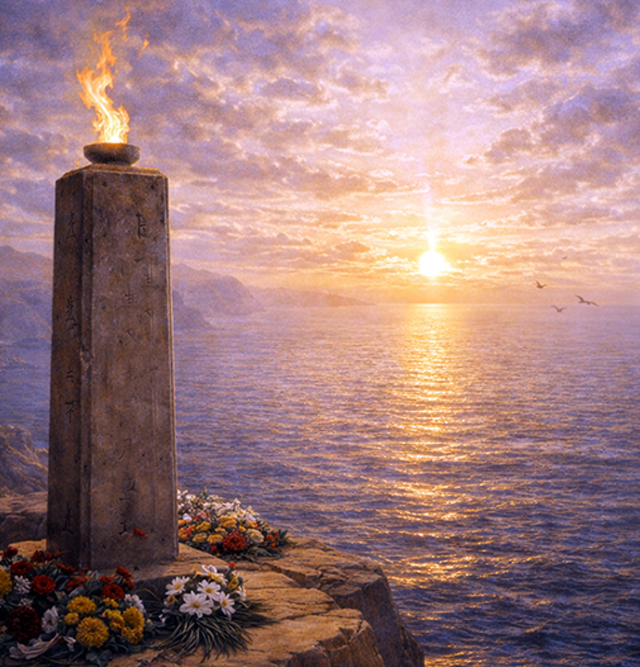
The oceans may have shores,
but respect and remembrance have none.
https://mp.weixin.qq.com/s/Yg-ue7nv6PsQ6jeZeMRT-w
Zhou Enlai Peace Institute International
Honolulu, USA; Beijing, China