This is the English Version
PDF Download
Chinese Version also available
Remembering a Mentor and Friend:
Arthur Lipper III
Grief Like a Spring, Spirit Everlasting
Original Zhou Xiaofang
August 23, 2025 13:03
translation and images adapted by Michael North
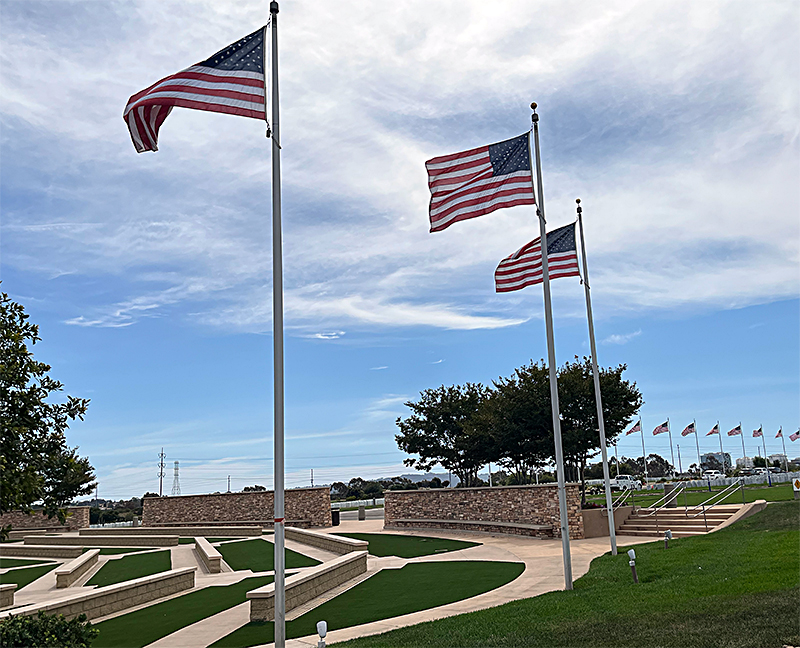
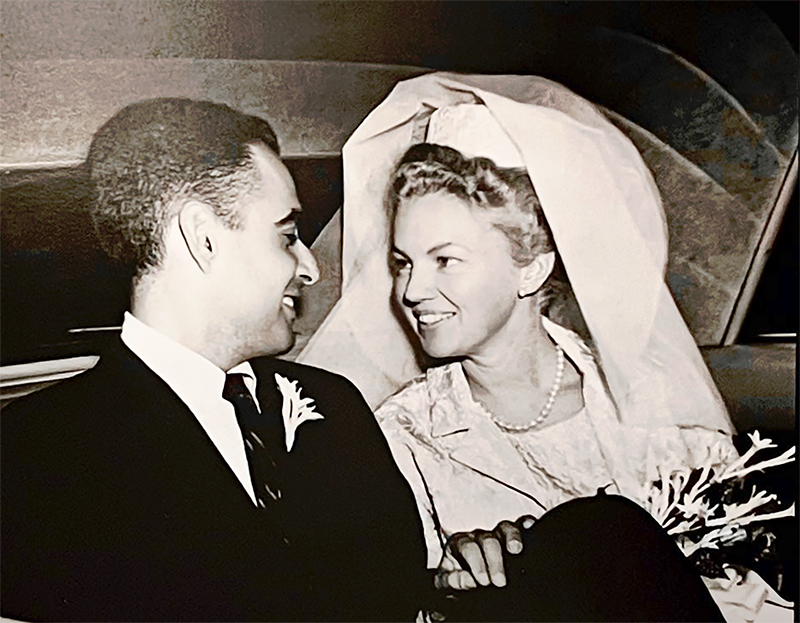
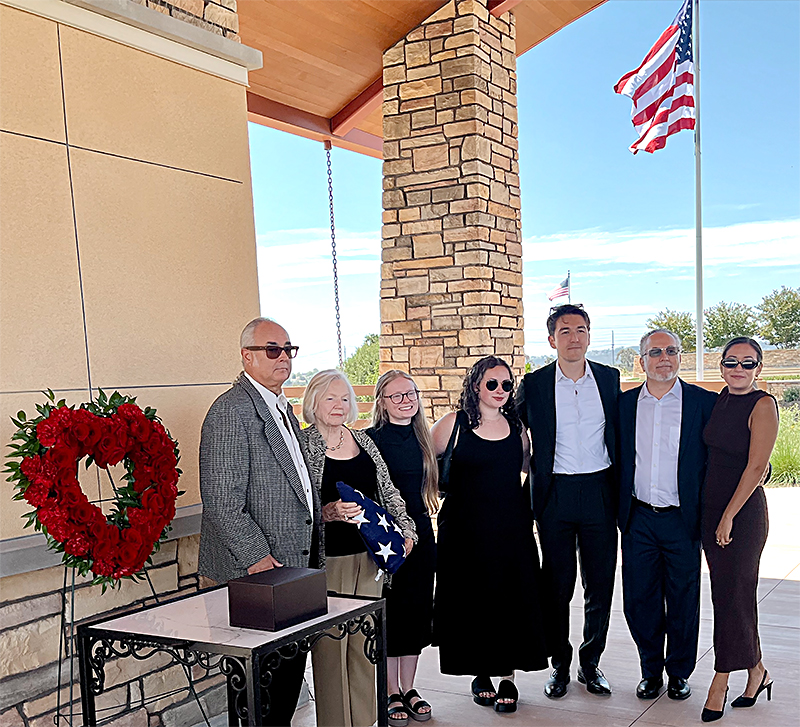
Yesterday, at the U.S. National Cemetery near San Diego, we held a farewell ceremony for Arthur Lipper III. After solemn flag-folding, the national flag was presented to his wife, Anni.
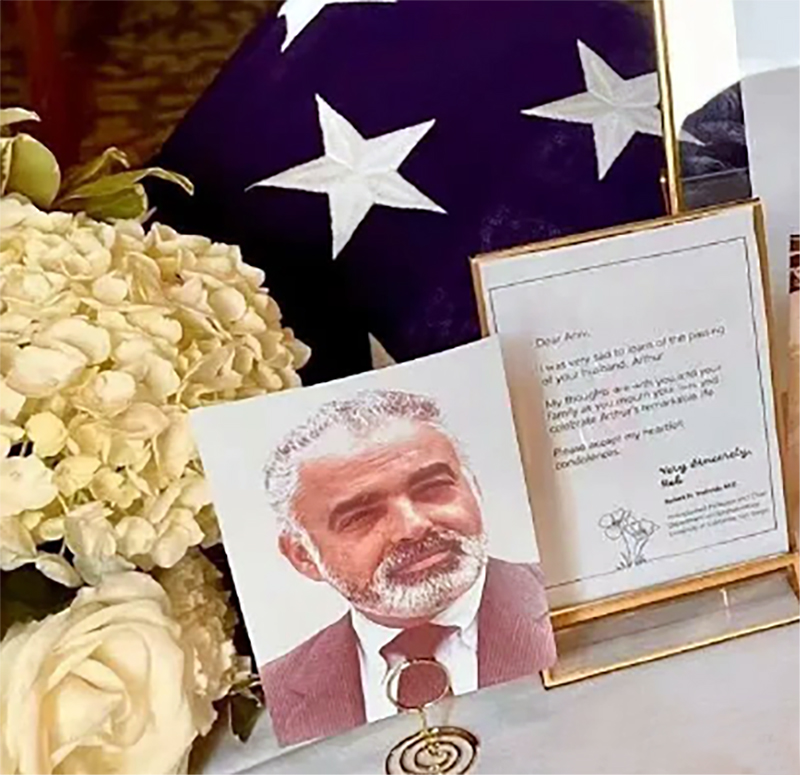
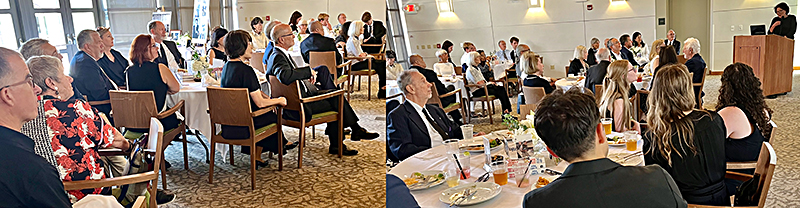
More than fifty family members and friends gathered. Later, displays reflecting his remarkable life were shared at his memorial reception.
The farewell ended in an atmosphere both solemn and warm, with family members and guests from around the world.
Arthur’s life was defined by innovation, integrity, and service. His pioneering spirit in finance and his dedication to cross-cultural understanding made him a model to be honored and emulated. What he leaves is greater than material wealth: the treasure of thought, words, kindness and spirit.
To remember Arthur is to mourn at first — and then to commit — to continue his ideals, to turn wisdom into practice, build friendship into bridges. Just as legacy of spirit can transcend time, Arthur’s light continues to guide us forward.
The Heart of Remembrance:
Memory Transformed into Strength
Remembrance does not dwell on sorrow; it transforms longing into strength.
Though life has departed, the spirit remains. True remembrance makes memory a guiding flame for the journey ahead.
Grief flows like a spring, unending. It reminds us: life may be finite, but spirit flows forever; the body may vanish, but values endure.
Remembrance is a bond — connecting the living and the departed, continuing love and responsibility in the unseen.
The heart of remembrance lies in inheriting spirit. Each moment of reflection is a dialogue with the departed; each act of remembrance is purification of the soul.
Only when we internalize Arthur’s spirit and make it our strength, does remembrance find its true meaning.
Remembrance and the Tao:
Transforming Pain into Light
Remembrance is gratitude for life and awakening to Heaven.
The Tao teaches us: life and death are cycles; coming together and parting are natural. What departs is not an end — it is continuation in another form.
If grief clings only to what is lost, it falls into endless darkness; but with the Tao’s vision, loss itself becomes a gift.
The departed entrust their spirit, values, and love to those who remain.
The way of remembrance is not to be imprisoned by tears, but to transform pain into light.That light becomes direction in action, strength for the journey, and the flame of legacy passed down through generations.
Remembrance and Responsibility:
Carrying the Torch Forward
Remembrance is an expression of emotion — and a passing forward of responsibility.
The spirit of the departed is the treasure they leave us; the responsibility of the living is to safeguard, continue, and expand it.
If remembrance is only sentiment without action, it becomes hollow.
Only when memory becomes action, and spirit becomes responsibility, can remembrance transcend personal grief and become the strength of a people and of humanity.
To carry forward is to honor history and tradition; to lead onward is to create the future.
Through remembrance, we know where we came from and see where we must go.
Premier Zhou and Remembrance:
Grief Like a Spring, Spirit Everlasting
Premier Zhou Enlai illustrates an eternal theme of remembrance.
His life was devoted to the people and to his nation, always placing their safety and well-being at the center, whether in times of war or turbulence.
“May we meet again when China soars in the world.”
— These words, written when he was 19, are from an era of national crisis: a land broken by warlords, besieged by foreign powers, and haunted by suffering. For the young Zhou Enlai, the memory of friends and martyrs became a solemn vow for the future.
Echoing across a century, these words remind us that remembrance is not bound by grief, but directed toward tomorrow.
Throughout his life, he deeply mourned martyrs, praised writers, and remembered comrades.

In Memory of Arthur Lipper
http://www.zhouenlaipeaceinstitute.org/building-peace/in-memory-arthur-lipper/
from the Zhou Enlai Peace Institute
For example:
When Li Dazhao was executed, Zhou grieved yet called on the youth to inherit the ideals of the fallen, ensuring that the flame of revolution would not die;
When Lu Xun passed away, Zhou declared that “Lu Xun is the backbone of the Chinese nation,” honoring not only a writer but the guardian of the national soul;
When He Long and Ye Ting died, the sorrow of Zhou was transformed into duty, reminding all that the revolution was entrusted to countless shared lives.
For him, remembrance was an exercise of strength; a call to action, after the sorrow.
He transformed grief for the departed into responsibility for the living.
He turned personal sorrow into hope for the nation.
Even today, people remember Zhou Enlai with deep longing.
We honor his fervent heart, revere his great life, and celebrate his noble spirit.
With his life, he taught that true remembrance transforms longing into responsibility and carries the light of the spirit into the future.
The Future of Remembrance:
Spirit Everlasting, Life Evergreen
Remembrance is a new beginning.
Every longing is a continuation of spirit; every reflection is a call to the future.
When we remember the departed, it is to recall their greatness — and to embody their spirit in our lives today.
Responsibility deepens through remembrance, courage grows stronger, and love spreads wider. The future of remembrance is in keeping the spirit alive.
Only then can life remain evergreen; only then will civilization endure.
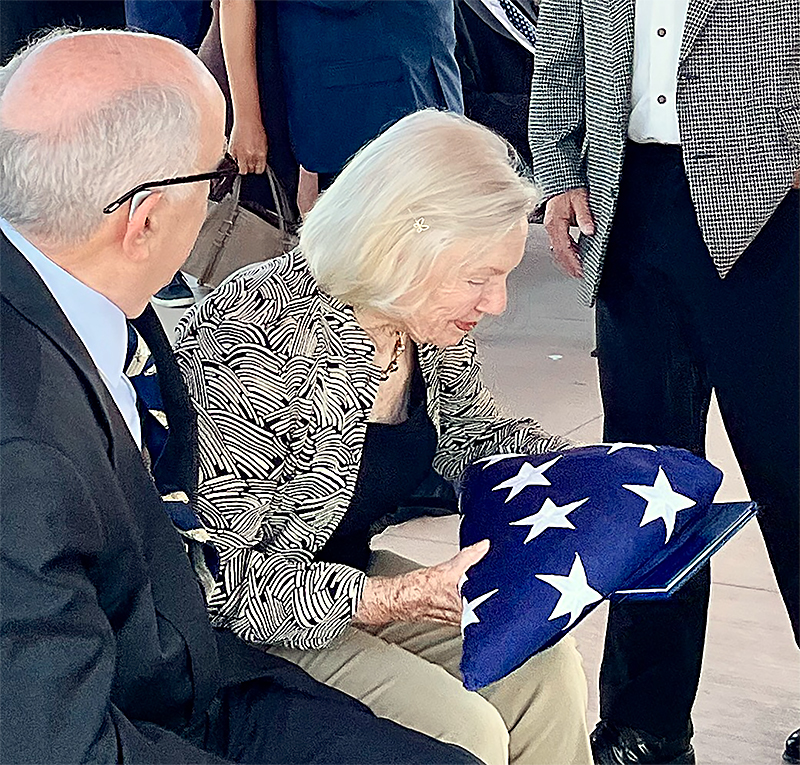

Video: Memorial Ceremony, Arthur Lipper III
Miramar National Cemetery. August 22, 2025