领导力之道:
柔而不弱,强而不刚
领导力之道:柔而不弱,强而不刚
The Way of Leadership: Strong and Gentle
一、领导之本:德为根,道为体
I. The Essence of Leadership: Rooted in Virtue, Shaped by the Tao
领导,是德的体现,是道的延伸。
一个领导者,承担的是一种连接天地、贯通上下的责任。
古人云:“君子之德风,小人之德草;草上之风,必偃。”
领导之德,如春风化雨;身行所至,草随风动。
领导者果敢决策,亦温润人心;
坚守原则,亦顺势而动。
柔而有容,聚人心;
强而有信,定乾坤。
领导的力量,在于:立德、行道、育人、达和。
True leadership is the manifestation of virtue and the embodiment of the Tao.
A leader does more than hold power.
A leader shoulders the sacred task
of harmonizing heaven and earth, bridging upper and lower.
As the ancients said:
“The virtue of the noble is like the wind;
the virtue of the people is like the grass—when the wind blows, the grass bends.”
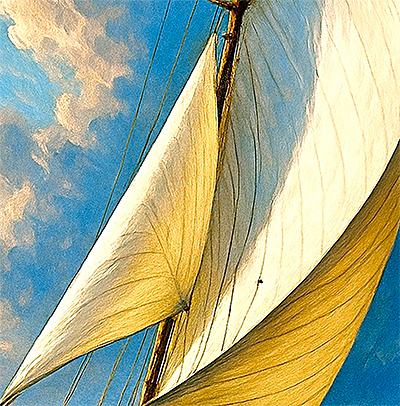
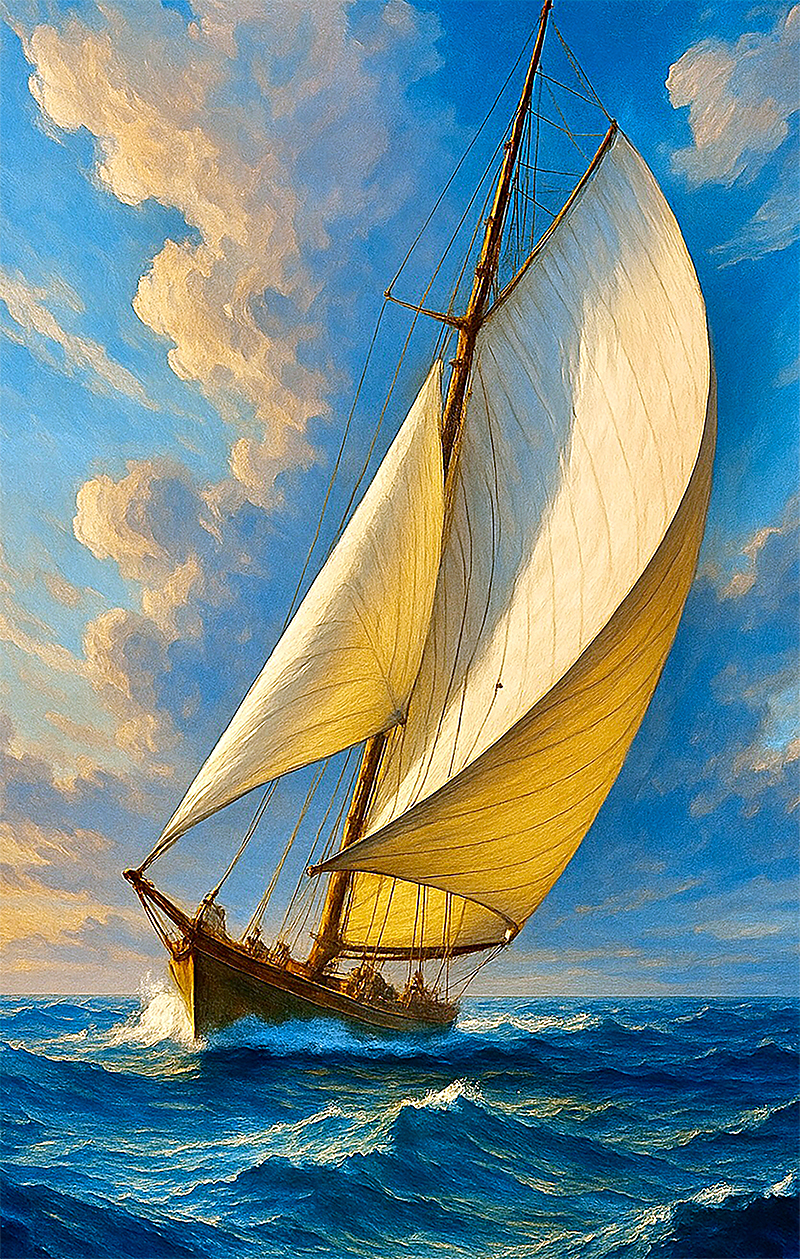
So too, must leadership be gentle as the wind in the sails, yet firm in direction.
Decisive with compassion, principled with flexibility.
Gentleness gathers hearts; strength builds trust.
The essence of leadership lies in cultivating virtue, walking the Tao,
guiding people, and creating harmony.
二、承上启下:领导者的桥梁之道
II. Bridging Above and Below:
The Leader as a Living Bridge
真正的领导,是桥梁。
在天与地之间,在上与下之间,在理与情之间——
引领、承接、协调、沟通。
领导者,心中有民,融入其中;
连接战略与细节,理念与实践,过去与未来。
古今中外,卓越的领导者皆明白:
权力是服务的机会,地位是造福的责任。
领导者,是桥,在于通达;
是舟,在于载人行远。
他们引导愿力,决定命运;
承载中化解矛盾,启发中激发潜能;
于众声中守方向,于危局中定初心。
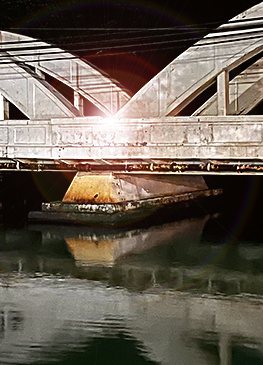
True leadership bridges heaven and earth, upper and lower, reason and emotion.
A leader connects, coordinates, and communicates.
The best leaders are not above the people; they live within the people.
They unite vision and detail, ideals and action, history and future.
Across cultures and times, great leaders have understood:
Power is the opportunity to serve; position is the duty to uplift.
A leader is a bridge—valued for its reach, more than its height;
A vessel—measured by how far it can carry others.

A leader’s presence channels collective aspiration;
Actions shaping shared destiny.
A leader resolves conflict with insight, inspires greatness with clarity,
And remains grounded amidst complexity.
三、柔之智慧:善解人意,化刚为和
III. The Wisdom of Gentleness:
Understanding Others, Transforming Rigidity into Harmony
柔,是力量。
以心感人,以德动人;
《道德经》云:“天下莫柔弱于水,而攻坚强者莫之能胜。”
柔,顺势而行,随形而变;
静中有力,润物无声。
领导者之柔,是识人之心、容人之情;
是成就他志、安定其神。
柔中有坚,和中有力,解纷成和,化众为一。

历史上最伟大的领导者,皆以柔克刚、以德服人;
他们赢得民心,不靠强势,而靠智慧;
凝聚众力,不靠控制,而靠真诚。
一个人能以柔调和强势,以心换心,
他所引领的,是一种风范。
Gentleness is the deepest strength.
True leadership touches hearts with virtue, not force;
It leads with meaning, more than might.
The Tao Te Ching teaches:
“Nothing is softer than water, yet nothing overcomes the rock as water does.”
Gentleness flows with form, directs with subtlety,
Quiet yet effective; graceful yet powerful.

A gentle leader sees others, embraces differences,
Uplifts potential, and stabilizes spirit.
Softness with strength, harmony with clarity—this is true leadership.
History remembers those who win hearts through understanding,
And unify people through genuine care.
One who leads with gentleness sets a tone beyond the task.
Shaping a culture, an ethos, a path forward.
四、领导之境:总理之道,万业之光
The Realm of Leadership
真正的领导者,能够引领国家方向,亦能照亮人类未来。
周恩来总理的领导,是全方位的智慧展现。他是政务的统帅,是社会进步的推动者,科技发展的奠基者,环境保护的倡导者,和平外交的桥梁建设者。他的视野,不局限于一域一时,而是放眼整个人类文明的进程。
他深谙国民经济之道,提出“统筹兼顾,适当安排”的发展理念,主张产业并进、民生优先;
他关注社会结构的稳定与公平,从劳工到妇女,从青年到知识分子,皆以平等之心倾听、关怀;
他倡导科技立国,亲自主持“两弹一星”工程会议,推动中国迈入现代科学的起步;
他重视生态平衡,曾明确指示“不要乱砍森林”,强调发展不能以破坏为代价;
他代表中国走向世界舞台,提出“求同存异、和平共处五项原则”,为新中国外交奠定基石,也为世界文明的和解与交流开辟道路。
2025年8月8日,是周恩来与邓颖超伉俪结婚一百周年纪念日。百年伉俪,和合相处,亦是一种领导的典范。他们将“家庭”治理得温良有序,也将“国家”治理得稳健长久。夫妻之道与国家之道交相辉映,成为今日世界和平共处的精神启示。
总理的领导,并非只在会议桌前、文件之间,而在无数具体问题的亲自过问与统筹指挥中。他是一位真正的“人民领导人”,以“为人民服务”为使命,以“天下为公”为格局。
在当今全球变局之中,我们更加需要像总理那样的领导者——
引领经济向可持续迈进,引导科技向善发展,引动社会向平衡共生转化,
更重要的是,带领人类走向一个可以和平共处、文化互敬的新时代。
他的领导之道,不仅照亮了中国,也照进了世界。
IV. The Realm of Leadership: The Premier’s Way, a Guiding Light Across All Fields
A true leader does not merely govern a nation—he inspires progress across the whole of human society.
Premier Zhou Enlai’s leadership was the embodiment of comprehensive wisdom.
He was not only a statesman, but also:
• a steward of social advancement,
• a pioneer in scientific development,
• a voice for environmental preservation,
• a builder of diplomatic bridges.
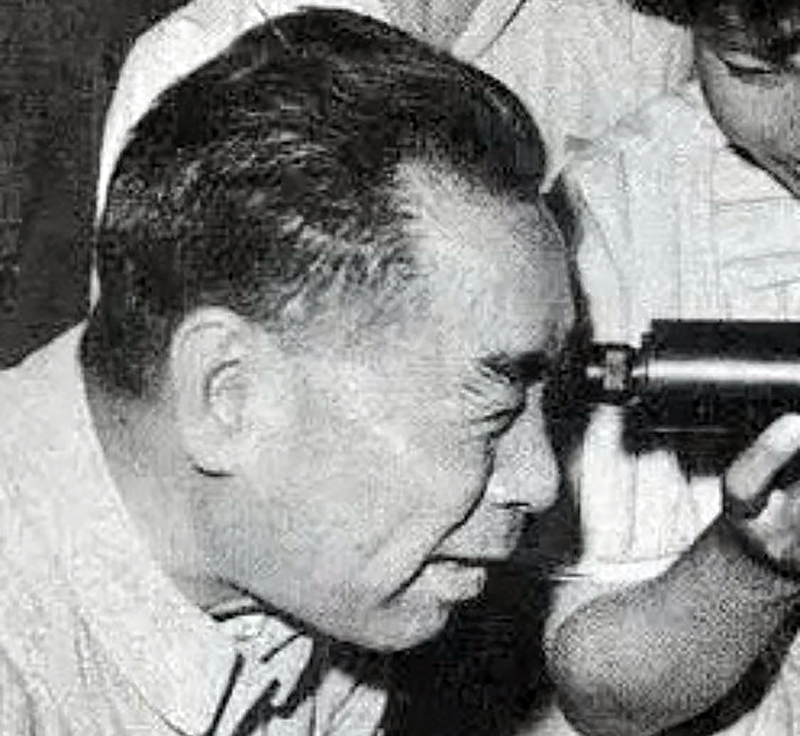
His vision extended far beyond borders and generations,
embracing the unfolding journey of the whole of human civilization.
He understood the essence of national economy, emphasizing “overall planning and proper arrangement”—
advocating industrial growth with a people-first approach.
He cared deeply for social equity, listening with compassion to workers, women, youth, and intellectuals alike.
He promoted science and innovation, personally convening key meetings
for the “Two Bombs, One Satellite” project, catalyzing China’s rise in modern technology.
He called for environmental responsibility, instructing:
“Do not recklessly cut forests,” reminding all that development must never come at the cost of nature.
And he stood tall on the world stage, articulating the Five Principles of Peaceful Coexistence—
“Seeking common ground while reserving differences”—
laying the foundation for New China’s diplomacy, and opening the way for global harmony and cultural respect.
On August 8, 2025, we commemorate the 100th wedding anniversary of Zhou Enlai and Deng Yingchao—a union of deep love, harmony, and shared purpose. Their lifelong partnership exemplified not only personal devotion, but also the spirit of leadership: the ability to govern a household with compassion and a nation with vision.
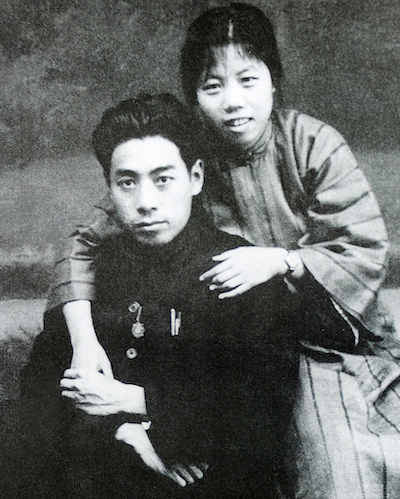
Their way of living and being together has become a timeless model for both family harmony and world peace.
Premier Zhou’s leadership was not confined to conference rooms or official decrees—it lived in his direct engagement with urgent realities and his moral commitment to the people. He was a leader of all the people, guided by the spirit of service and anchored in a vision of global kinship.
In today’s era of complexity and transition, the world longs for leaders like Zhou Enlai—
• leaders who guide economies toward sustainability,
• direct science toward human good,
• shape societies toward equity and wholeness,
• and lead humanity toward a peaceful, coexistent, and mutually respectful world.
His way of leadership lit the path for China—and continues to shine upon the world.
五、领导之道:为人之心,为道之器
V. For the People, a Vessel of the Tao
领导,事务之统筹,道义之引领。
是一种修行的延伸,是心性的体现,是愿力的实现。
领导者,
于事练达,于人谦和;
于变局沉着,于选择清明。
古人云:“将之道,得其心。”
领导者,激发团队之力,倾听众志之声。
能收能放,能高能低;能远望,能俯身。
孔子讲“和而不同”,柏拉图讲“哲人王”,
德鲁克讲“责任即领导”,皆是一理:
领导是一种激发,一种担当,一种觉醒。
真正的领导,在于启发;
在于能否点亮他人心中的火。
他们是桥,连通理想与现实;
是场域,让人人觉醒、人人发光。
道在其心,光在其行。
如此领导,引领团队,引领时代。
V.
Leadership is more than management—it is a vessel of the Tao.
It is the practice of inner cultivation expressed in outer responsibility.
Leaders with vision act with clarity and calm.
They are skilled in many matters, humble with people,
Steady in uncertainty, and clear in decision.
The ancients taught: “To lead well, win hearts.”
True leaders stimulate collective potential and listen with empathy.
They balance boldness with humility, ambition with care.
In every culture, the same ideal appears—
Confucius taught virtue and harmony;
Plato envisioned philosopher-kings;
Peter Drucker spoke of leadership as responsibility.
True leadership uplifts, awakens, inspires.
It is not defined by how many obey,
But by how many awaken.
Such leaders are bridges between vision and action,
Fields of energy where others rise and shine.
With Tao in their heart and light in their path,
They lead teams for today—and provide an example for future generations.

Opening ceremony of the Paris Olympics — teams gsthered for global peace (artist’s conception). | 巴黎奥运会开幕式——各国代表团齐聚一堂,共促全球和平(艺术家概念图)。